

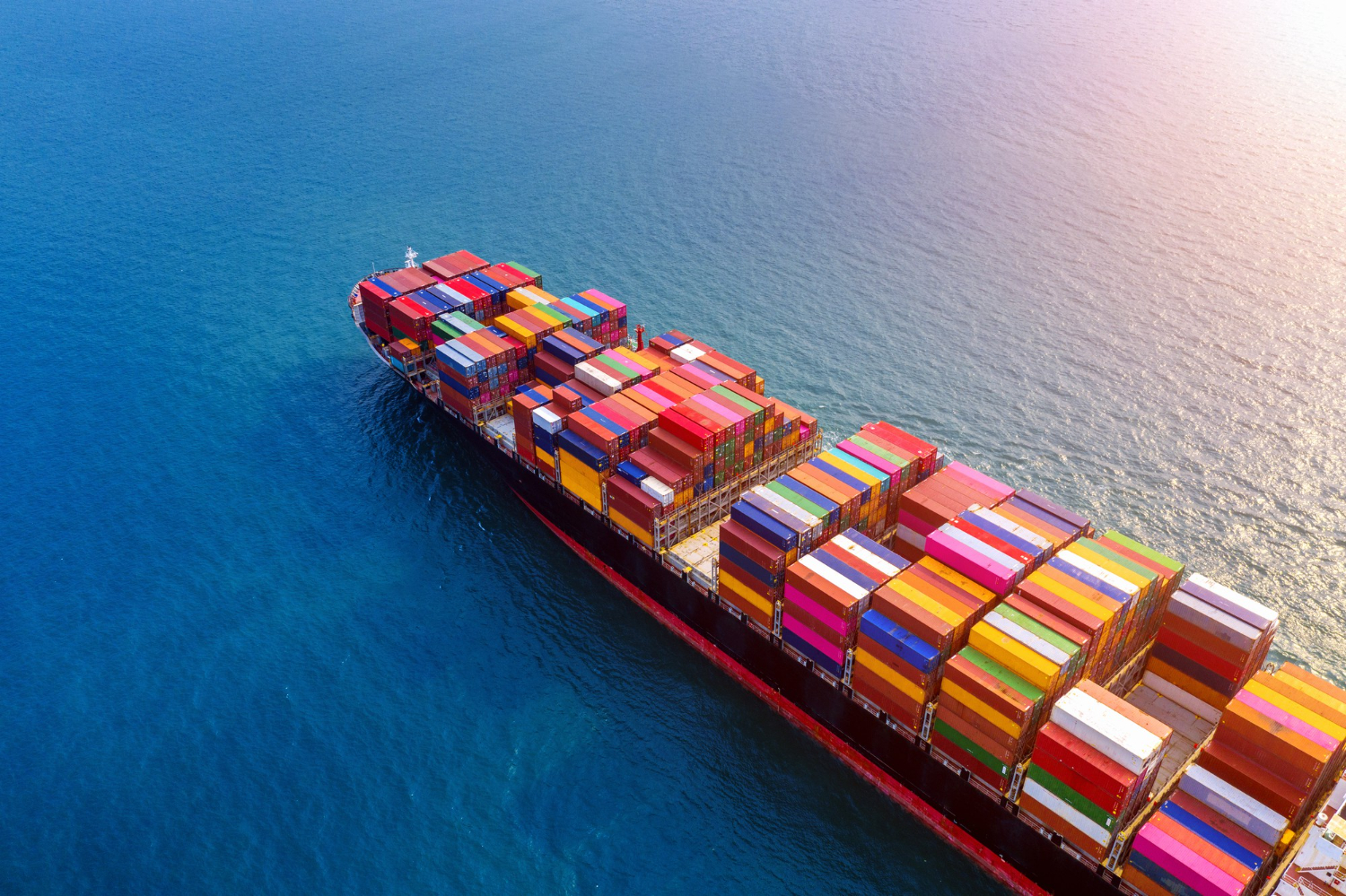

Sea freight remains the most cost-effective solution for bulky, heavy or non-urgent shipments
Choosing the right service—FCL (Full Container Load) or LCL (Less than Container Load)—makes a big difference to cost, transit time and risk. Anchor Freight Solutions helps shippers select the right sea freight service and manage the end-to-end process from Lagos ports.
FCL vs LCL — what’s the difference?
• FCL (Full Container Load) means your cargo occupies a full container. It’s often faster at origin/terminal handling and reduces handling risk since only your goods go in and out of the container.
• LCL (Less than Container Load) consolidates multiple customers’ cargo into one container. It’s cost-efficient for smaller consignments but involves more handling and slightly longer transit due to consolidation/deconsolidation.
When to choose FCL
Choose FCL when you have enough goods to fill a container, when cargo is high-value or fragile, or when you want consistent terminal handling and faster throughput at the port.
When to choose LCL (consolidation)
LCL is ideal for smaller shipments where the cost of a full container isn’t justified. Anchor Freight consolidates LCL cargo into scheduled departures to keep costs predictable while providing tracking and single-point contact for clearance.
How Anchor Freight Solutions makes sea shipping simple
• Container management and bookings for major trade lanes.
• FCL/LCL consolidation services with clear transit timelines.
• Customs clearance and permit processing handled on your behalf.
• Door-to-door options including trucking, port handling and last-mile delivery.
Customs, permits and documentation
For smooth clearance, you’ll usually need: commercial or pro-forma invoice, packing list, bill of lading (we obtain this), certificate of origin, and any sector-specific permits (e.g., agricultural, pharmaceuticals). We verify HS codes and duties to avoid surprises at arrival.
Transit times, costs and planning
Sea transit times depend on trade lane and routing; typical door-to-door from major origins ranges from 10–45 days. LCL adds consolidation time at origin and destination. Costs vary by container size (20ft/40ft), space availability and port surcharges—Anchor Freight provides transparent estimates with all charges itemised.
Tips to reduce delays and lower costs
• Plan bookings ahead of peak season.
• Consolidate shipments where possible to improve rates.
• Provide full, accurate documentation (HS codes and commodity descriptions).
• Choose port alternatives if your main port is congested—we can advise on best routing